Privacy is important to us, so you have the option of disabling certain types of storage that may not be necessary for the basic functioning of the website. Blocking categories may impact your experience on the website. More information





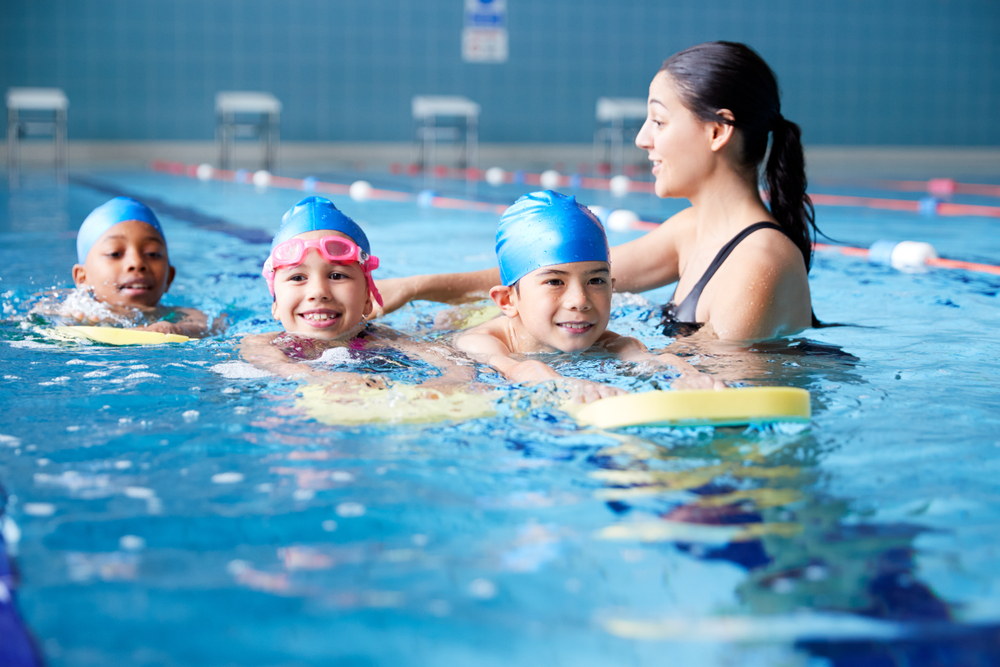


Why Swimming Is One of the Most Important Skills You Can Learn
Swimming isn’t just another activity. It’s one of the few skills that combines safety, confidence and lifelong value.
Some skills are optional.
Swimming isn’t really one of them.
It sits in a different category.
Not just as a sport or hobby, but as something that carries real, practical value throughout life.
It’s fundamentally about safety
At its core, swimming is a safety skill.
Water is part of everyday life:
- holidays
- school trips
- beaches and pools
Being comfortable in water changes those experiences completely.
It reduces risk.
It removes fear.
It allows people to engage rather than avoid.
Confidence starts early
For children, learning to swim often has a wider impact than expected.
It builds:
- independence
- confidence
- trust in their own ability
That confidence tends to carry into other areas.
You can often see it quite clearly.
It’s never too late to learn
There’s a perception that swimming is something you either learn as a child or not at all.
That isn’t true.
Many adults learn later:
- after avoiding it for years
- after a specific experience
- or simply because they decide it matters
Good coaching environments make that process accessible and supportive.
Technique matters more than effort
Swimming is one of the clearest examples of how technique drives progress.
Trying harder doesn’t always help.
Small adjustments to:
- breathing
- body position
- timing
can make a significant difference.
This is where coaching becomes particularly valuable.
It’s a lifelong form of fitness
Swimming is:
- low impact
- accessible
- sustainable
It can be done:
- at different intensities
- at different stages of life
That makes it one of the few activities people can continue for decades.
Consistency builds comfort
The biggest barrier for many people is not ability, but comfort.
That comes from repetition.
Regular sessions:
- reduce anxiety
- improve familiarity
- build confidence over time
Final thoughts
Swimming is often treated as just another activity.
In reality, it’s something more fundamental.
A skill that:
- improves safety
- builds confidence
- supports long-term health
And once learned, it stays with you.
FAQs
Yes. It’s widely considered a core life skill because it improves safety and confidence in water.
Many children start young, but the most important thing is learning in a safe, supportive environment.
Yes. Many adults learn later in life with the right coaching and approach.
Basic confidence can develop relatively quickly, but technique and comfort improve over time.
Yes. It’s a low-impact, full-body activity that can be sustained long term.
Find coaches for anything