Privacy is important to us, so you have the option of disabling certain types of storage that may not be necessary for the basic functioning of the website. Blocking categories may impact your experience on the website. More information





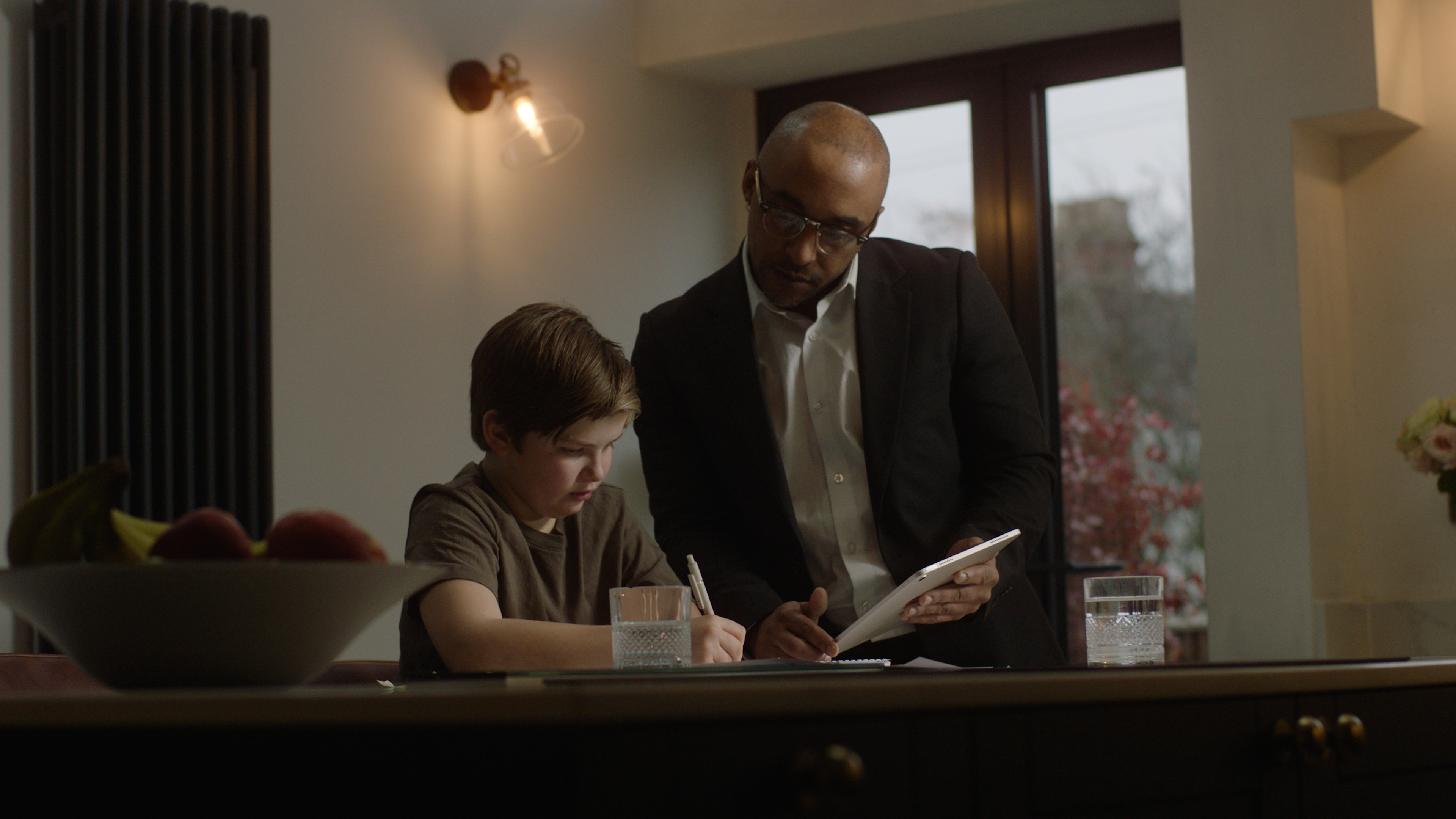




Private school fees vs targeted tutoring: a changing calculation for parents
Should you invest in private education or targeted coaching? We break down the costs, benefits, and outcomes to help parents decide.
Private school fees vs targeted coaching: a changing calculation for parents
For many parents, the question is becoming more direct than ever:
is private school worth the cost — or can targeted coaching deliver similar outcomes for far less?
Recent VAT changes on independent school fees have brought this trade-off into sharper focus, prompting families to reassess how they allocate their education budget.
What does private school actually cost?
According to the Independent Schools Council (ISC), average UK independent day school fees for 2024/25 are approximately:
- £15,000–£18,000 per year outside London
- £22,000–£30,000+ per year in London and top-tier schools
With VAT applied, many families are now facing £20,000–£35,000 per year per child, before additional costs such as transport, uniforms and activities.
Over a full secondary education, this can exceed £150,000–£200,000 per child.
The alternative: selective schools + targeted coaching
In many parts of the UK, grammar schools and high-performing comprehensives deliver excellent academic outcomes — without fees, albeit with competitive entry.
As a result, some families are adopting a more targeted approach:
- State primary education
- Coaching in Years 4–6
- Preparation for 11+ or entrance exams
- Entry into selective or high-performing schools
What does coaching actually cost?
Typical rates for experienced academic coaches in the UK are:
- £40–£60 per hour (higher in London and specialist subjects)
- Typically 1–2 sessions per week during key years
A realistic example:
- 1.5 hours per week
- 40 weeks per year
- £50 per hour
~£3,000 per year
Even with increased intensity in key years, many families spend £6,000-£10,000 in total.
That’s less than a single year of private schooling.
It’s not just about saving money
For most families, this isn’t purely financial.
Targeted coaching offers:
- Support exactly where it’s needed
- Flexibility to scale up or down
- Less “all-or-nothing” pressure
- Greater visibility on progress
The key is consistency — and finding someone you trust.
Where TalentCoach fits
TalentCoach supports this more deliberate, flexible approach to learning.
By bringing together verified coaches, structured booking, and clear progress tracking, the platform helps families make informed decisions — whether preparing for selective entry, building confidence, or strengthening core skills.
The best outcomes rarely come from one path alone.
They come from combining the right support at the right time.
FAQs
Private school can offer excellent resources and environments, but it’s not the only route to strong outcomes. Many students achieve high academic success through a combination of good state schooling and targeted coaching in key areas. What matters most is consistent support, confidence, and the right guidance at the right time.
Costs vary depending on subject and experience, but most parents can expect to pay £40-£60 per hour for high-quality coaching. Many families invest £2,000-£4,000 per year during key stages such as 11+ preparation, with flexibility to scale sessions up or down depending on need.
Finding the right coach can be challenging, particularly when quality and trust vary. It’s important to look for verified experience, clear communication, and structured sessions. Platforms like TalentCoach help by bringing trusted coaches, transparent pricing, and simple booking into one place.
There’s no single “right” age, but many parents begin coaching when a child shows either a specific challenge or a clear opportunity to progress - for example, in Years 4–6 for 11+ preparation, or earlier to build confidence in core subjects. Starting early can help establish strong foundations, but coaching can be valuable at any stage.
Effective coaching should lead to clear, measurable progress over time - whether that’s improved confidence, stronger test results, or greater engagement with learning. Regular feedback from the coach, visible improvements, and your child’s own attitude towards the subject are all good indicators. Consistency and a strong coach-learner relationship are key.
Find coaches for anything